


Taunus Production Worldwide
The Taunus range of vehicles was also produced globally, with some interesting market specific derivatives.
Turkey
In 1959, the foundation of the Otosan (Otomotiv Sanayii, Turkish for 'Automotive Industry') factory was held in Istanbul and in 1960 the Ford Consul was the first model to be produced at the plant, followed by the Thames and the Thames Trader lorry. In 1966, the Anadol, the first mass-production passenger vehicle developed in Turkey as introduced, using for running gear in fibreglass body developed with Reliant. In 1977, the company signed a license agreement with Ford and the company's name was changed to Ford Otosan. In 1985 the Ford Taunus began production at the Istanbul plant, and in 1986 the official opening ceremony was held for the İnönü engine plant. Over time, the the Turkish car, developed it own distinct identity with remolded front and back panels, continuing in production until 1994.

Argentina
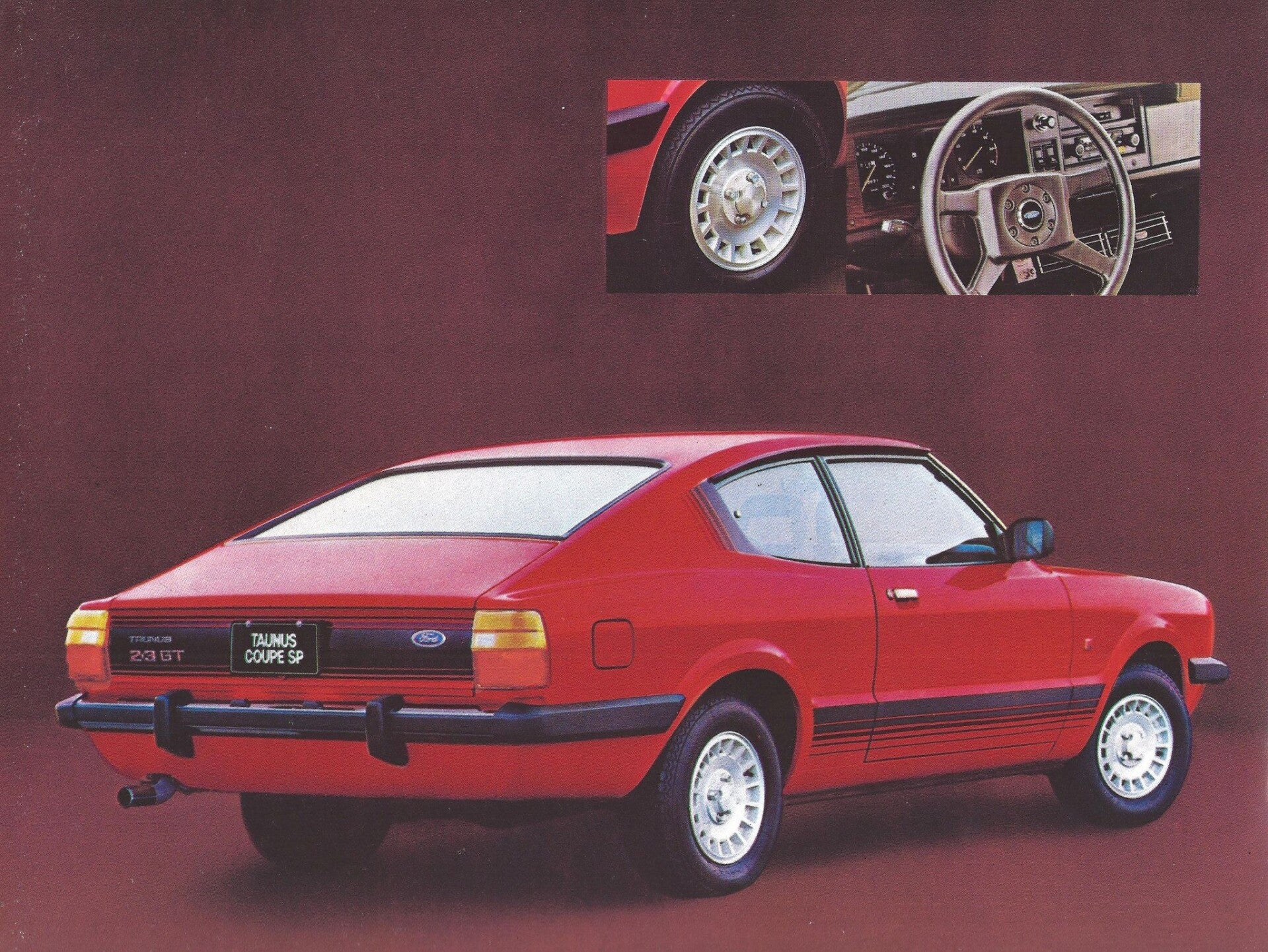
The Taunus TC1 had various critical chassis components uprated to more robust equivalents due to the harsher roads of rural Argentina, but most components for the Argentinian assembled cars still had to be imported from European Ford plants. One main differences is that the Argentine Taunus cars use Dana "Type 30" rear axles rather than the Atlas or Salisbury used in the European Taunus. The Argentine models produced from 1974 were the TC1 in four-door saloon & the two-door fastback coupé up 1980. No Taunus TC estates or two-door saloons were produced in South America. The TC2 Taunus was never produced in Argentina. Production switched directly in 1980 from the Taunus TC to the TC3, both saloon & coupé. As part of the 1980 upgrade, Ford introduced a face-lifted version of the coupé, since 1975 produced only in Argentina, featuring the TC3 nose and its own unique taillights layout. The Argentine Taunus TC models did not share the European engine range, instead using the similar Lima engine in 2.0 & 2.3 capacities. None of the Argentine Taunus models came with six-cylinder engines.
South Africa
By Roy Townsend
With the African Safari win, Ford licensed two South African built RS models. Again, these were the P7b 17m RS and the P7b 20m RS. Interestingly the specific badging was never addressed, with both South African RS variants sharing the same designations as the German built vehicles.
The two South African RS models shared the same 2-door pillarless coupe bodyshell, unlike their German counterparts who had a more varied choice of bodyshell. Even a 4-door P7b RS was available in Europe. The other difference with the South African models was the choice of engine, utilising the UK Essex engine. The 17m RS used a 2.0L v4 Essex engine, with the 20m RS coming with the 3.0L v6. It is widely considered that the South African 20m RS should have been designated the 30m due to the engine size, but this would then usurp the top of the range 26m RS model of the German parent company. Even in the 1960’s internal company politics triumphed.

Create Your Own Website With Webador